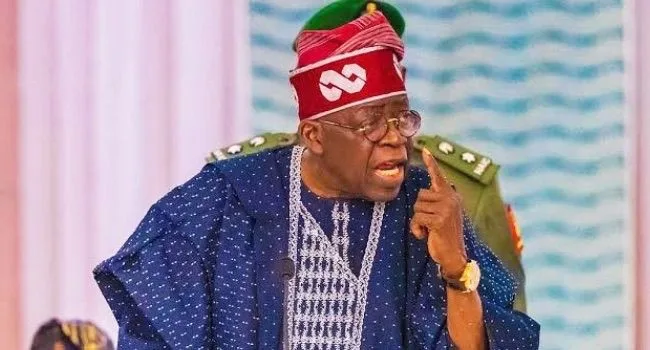
The directive was disclosed on Thursday by the President’s Special Adviser on Information and Strategy, Bayo Onanuga, in a statement.
Tinubu said the reform was necessary to address the persistent challenges that have affected Nigeria’s participation in major regional, continental and international competitions.
The President said the review would focus on strengthening the governance and administration of football, improving stakeholder participation, developing players and coaches, enhancing domestic competitions and promoting accountability within the sport.
According to Tinubu, football remains Nigeria’s most popular sport and has received significant public attention and investment, yet its performance has continued to fall short of the country’s potential.
He noted that other sports had begun making progress following reforms in the sector under the re-established National Sports Commission, while football continued to face institutional and structural challenges.
Tinubu therefore stressed the need to build a football system capable of matching Nigeria’s abundance of talent and passion with effective management and sustainable results.
The President directed the Chairman of the National Sports Commission, Shehu Dikko, to work closely with the NFF Secretariat and other key stakeholders to maintain essential administrative operations while beginning a broad consultation on the proposed reforms.
He also instructed that relevant international football bodies, including FIFA and CAF, be appropriately engaged throughout the process to ensure that Nigeria remains compliant with international football regulations.
Tinubu called on football administrators, players, stakeholders and Nigerians to support the transition and contribute to the development of a more transparent, effective and successful football structure.
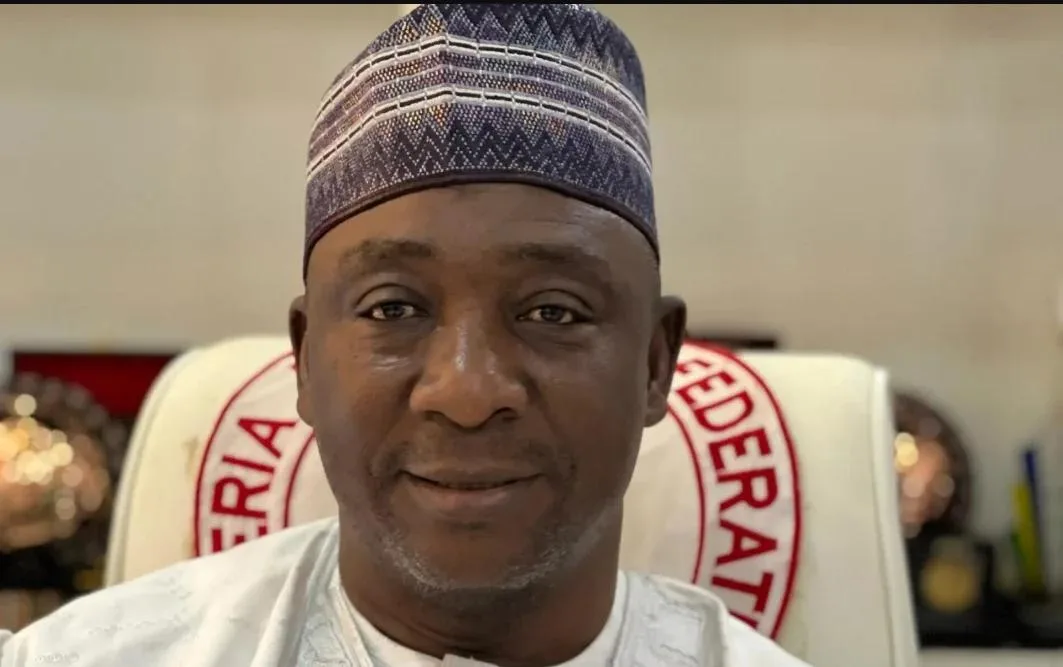
The directive followed the resignation of NFF President Ibrahim Gusau earlier on Thursday.
Gusau said he stepped down to allow other Nigerians to bring fresh ideas and contribute to the advancement of football in the country.
He maintained that despite the recent setbacks suffered by the national teams, particularly the failure of the Super Eagles and Super Falcons to qualify for major tournaments, he was leaving the federation in a stronger position than he met it.
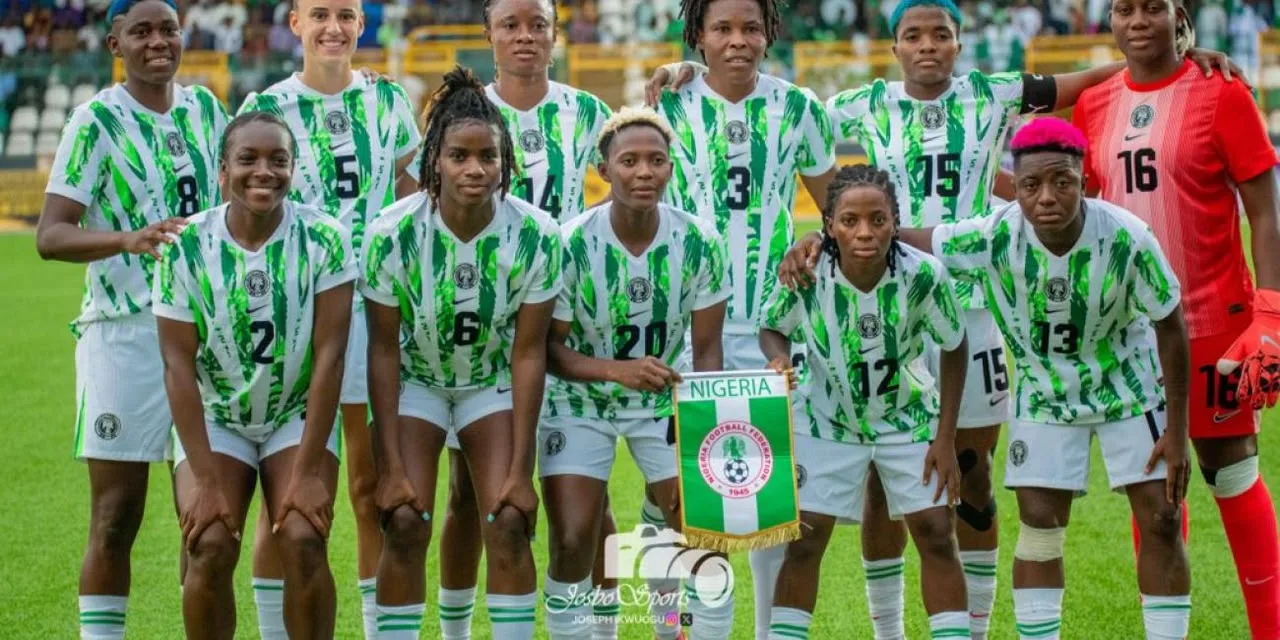
The NFF leadership has faced growing criticism following the Super Falcons’ failure to secure qualification for the Women’s World Cup, ending Nigeria’s participation in every edition of the tournament since its establishment in 1991.
The Super Falcons also failed to progress to the semi-finals after losing to Cameroon, while the Super Eagles were absent from the men’s World Cup earlier this year.