The Nigerian National Petroleum Company Limited has revealed that organised criminal groups involved in pipeline vandalism are posing as members of a supposed Federal Government task force to steal oil infrastructure across the country.
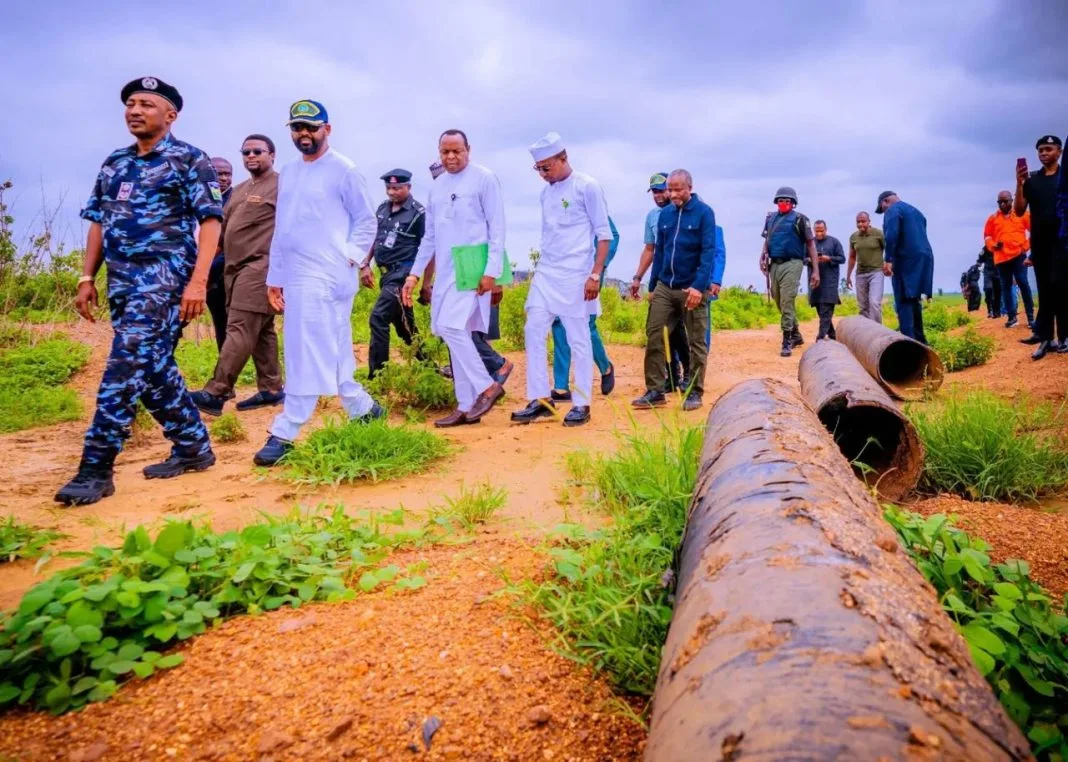
The disclosure followed a joint inspection of a vandalised crude oil pipeline segment at Pai Community in Kwali Area Council of the Federal Capital Territory by NNPC Ltd, its subsidiary, the Nigerian Pipelines and Storage Company, security agencies and officials from the Office of the National Security Adviser.
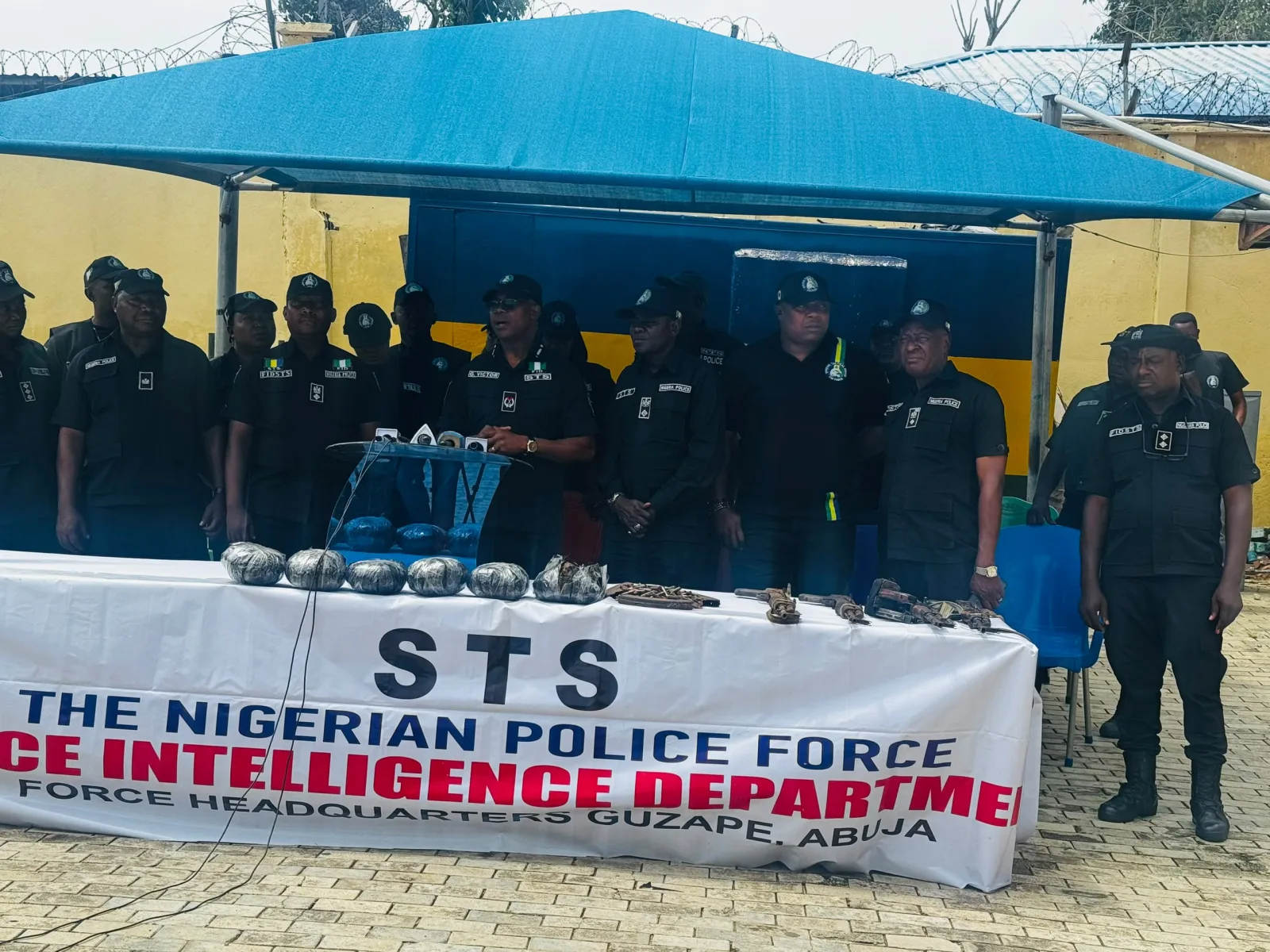
The exercise came after the arrest of three suspected vandals in Piri and Pai communities during a coordinated security operation.
In a statement issued on Thursday by the Chief Corporate Communications Officer of NNPC Ltd, Andy Odeh, the company said the inspection was conducted to determine the extent of damage to the affected facility, support ongoing investigations and strengthen efforts to tackle attacks on critical energy infrastructure.
The statement read: “The Nigerian National Petroleum Company Limited through the Industry Wide Security Architecture and Nigerian Pipelines & Storage Company in collaboration with the Office of the National Security Adviser Special Prosecution Team, the Federal Capital Territory Police Command, the Nigerian Army and other security stakeholders, on Tuesday conducted a joint inspection of a vandalised section of the NPSC crude oil pipeline at Pai Community in Kwali Area Council of the FCT, Abuja.
“The high-level inspection was undertaken to assess the extent of damage to critical national assets, advance ongoing investigations, and reinforce coordinated efforts to combat economic sabotage and safeguard Nigeria’s strategic energy infrastructure.
“The visit followed the arrest of three suspected pipeline vandals in the Piri and Pai communities through a joint operation involving the ONSA Special Prosecution Team, the FCT Police Command, and the NNPC Ltd’s Industry-Wide Security Architecture.”
Odeh explained that NPSC manages more than 5,000 kilometres of crude oil and petroleum products pipelines nationwide, but noted that attacks on the network have escalated in recent years.
“NPSC, a subsidiary of NNPC Ltd, owns more than 5,000km of crude oil and petroleum products pipeline network. Pipeline theft across NPSC’s network has been on the increase since 2024.
“Well-equipped criminals disguising themselves as the ‘NNPC/Federal Government Taskforce for Recovery of Abandoned Pipelines’ connive with locals to dig out and steal these pipelines,” the statement noted.
According to the company, 19 incidents of pipeline theft were recorded in 2025, leading to the loss of about nine kilometres of pipeline infrastructure.
“In 2025, a total of 19 cases were reported, with about 9km of pipeline section stolen along the Enugu-Makurdi-Yola corridor and between Piri and Izom along the Warri-Kaduna pipeline corridors.
“So far in 2026, five cases have been reported at Piri-Kwali and Gwagwalada along the Warri-Kaduna crude oil pipeline segment and at Badanga along the Jos-Gombe pipeline corridor,” it added.
The affected pipeline serves as a major channel for transporting crude oil from the Warri Refining and Petrochemical Company to the Kaduna Refining and Petrochemical Company.
Speaking during the inspection, the Group Chief Executive Officer of NNPC Ltd, Bashir Ojulari, represented by the Chief Interface Officer, Dahiru Sani-Gwarzo, described the arrests as a significant step in tackling pipeline vandalism.
“The industry-wide security architecture has been actively pursuing criminal elements involved in the sabotage of our energy infrastructure. Those apprehended are only a small part of a larger network.
“Our focus remains on identifying and bringing to justice the masterminds and sponsors behind these criminal activities.
“Beyond the significant economic losses they cause, such acts undermine national development, energy security and investor confidence.
“We will continue to work closely with our security partners to ensure these crimes are decisively addressed,” he said.
Also commenting, the Commissioner of Police in the FCT, CP Ahmed Muhammed Sanusi, said the arrests reflected the commitment of security agencies to protecting strategic national assets.
“The operation demonstrates our collective determination to protect critical national assets and dismantle criminal syndicates involved in pipeline vandalism.
“The suspects were apprehended following intensive intelligence gathering, surveillance operations and targeted patrols after reports of interference with sections of the pipeline.
“Our investigations have already generated valuable leads regarding the sponsors and receivers of the vandalised materials.
“We want to assure Nigerians that all individuals connected to these criminal activities will be identified and prosecuted in accordance with the law,” Sanusi stated.
The Director of Energy Security at the Office of the National Security Adviser, Goodluck Ebele, called on residents to support security agencies with useful information.
“Public vigilance and cooperation remain critical to protecting national assets and strengthening Nigeria’s energy security.
“We appeal to citizens living around these facilities to report suspicious activities promptly. Pipeline vandalism is not a victimless crime; it affects national revenue, energy supply and economic development,” he said.
Representing the Nigerian Army, Lt. Col. J.O. Ajongbo reaffirmed the military’s readiness to continue protecting oil and gas infrastructure nationwide.
“We remain committed to working closely with NNPC Ltd and all relevant agencies to secure critical energy infrastructure across the country.
“The protection of these assets is a national responsibility, and the military will continue to play its part in ensuring that criminal elements do not succeed in their attempts to sabotage the economy,” he stated.
On the legislative side, the Deputy Chairman of the House Committee on Petroleum Resources (Upstream), Hon. Sesi Whingan, pledged support for stronger laws and regulations to discourage attacks on energy facilities.
“We will continue to support measures that enhance the legal and regulatory framework needed to combat pipeline vandalism.
“Those who engage in economic sabotage must understand that there will be consequences, and we will work with relevant institutions to ensure that our laws serve as effective deterrents,” he said.
Pipeline vandalism remains a major challenge for Nigeria’s oil and gas industry, contributing to revenue losses, environmental damage and disruptions in energy supply. The latest discoveries also point to an expansion of criminal activities beyond the Niger Delta, with strategic pipeline networks in other regions increasingly coming under attack.
Recurring incidents along the Warri-Kaduna pipeline route have further raised concerns over the readiness of the Kaduna Refining and Petrochemical Company, which depends on crude deliveries through the pipeline system for its operations.