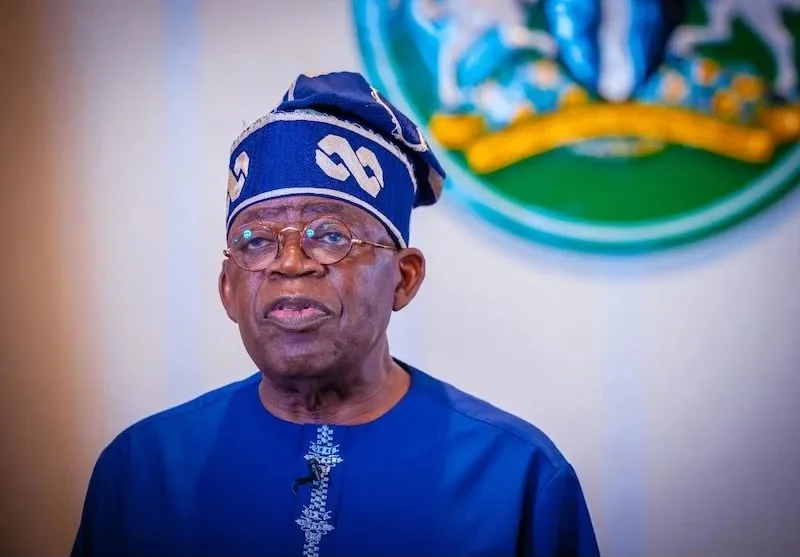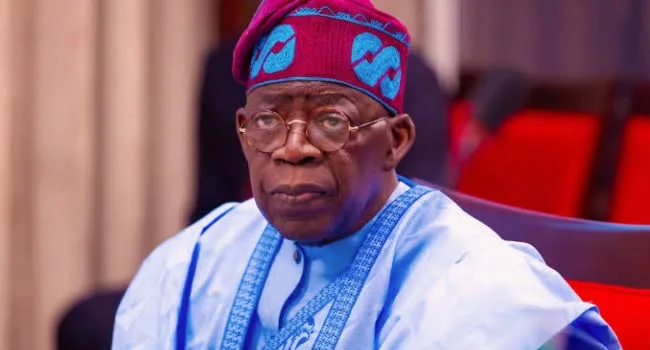
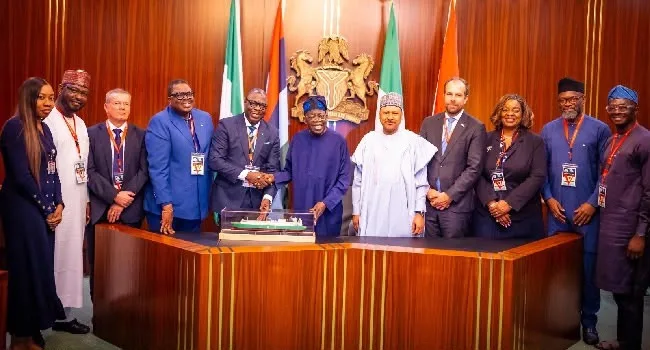
Tinubu made the call on Wednesday at the State House in Abuja when he received the NLNG Board, led by its Managing Director and Chief Executive Officer, Adeleye Falade.
The President said while increasing revenue from international LNG markets remained important, the company must also ensure that Nigerians benefit more directly from the country’s gas wealth.
He urged the NLNG to turn gas that would otherwise be flared into economic value, noting that such a move would reduce environmental damage while creating greater benefits for consumers and the wider economy.
Tinubu commended the company for improving its capacity and delivering returns to its shareholders, assuring the management of his administration’s support for initiatives that could expand its operations.
He said the government would consider providing additional incentives where necessary to encourage growth, increase capacity and strengthen the contribution of the gas sector to Nigeria’s economy.
The President also stressed the need for greater domestication of energy resources, particularly in ways that could make energy more accessible and affordable to ordinary Nigerians.
Earlier, Falade said the NLNG Board was at the State House to update the President on the company’s activities since the new management assumed office in April.
He disclosed that the company had generated more than $150 billion since its establishment, while its shareholders, including the Federal Government, had received approximately $47 billion in dividends. The Nigerian government owns a 49 per cent stake in the company.
Falade explained that NLNG had previously operated at about 60 per cent capacity due to insufficient gas supply, leaving only four of its six trains operational.
He, however, said improved oil and gas production had enabled the company to increase operations to five trains, with further expansion expected.
The NLNG boss also disclosed that all liquefied petroleum gas, commonly known as cooking gas, produced by the company was currently being supplied to the domestic market.
He said the company was working towards the commencement of Train Seven, a project expected to increase NLNG’s capacity by 35 per cent. He added that the company currently represents about five per cent of the global LNG market.
Falade further said the stability of Nigeria’s fiscal environment was encouraging additional investment in the oil and gas sector, while acknowledging the roles played by security agencies and industry regulators in sustaining the progress recorded.
He also informed the President that the Bonny-Bodo Road and Bridge project, funded by NLNG, had been completed and was awaiting formal commissioning.