
Social media activist Martins Otse, popularly known as VeryDarkMan, has recounted his frightening experience after a severe malaria infection left him hospitalised in China for four days.
The 32-year-old activist disclosed that he nearly lost his life after ignoring medical advice and taking oral malaria medication despite being warned by a Chinese doctor that his condition required urgent treatment.
In a video shared on Thursday, VeryDarkMan said medical examinations at a hospital in China confirmed that he had a severe form of malaria, which the attending physician described as potentially life-threatening.
He explained that he initially doubted the diagnosis after consulting a doctor in Nigeria, who reportedly suggested that the infection was an ordinary form of malaria.
The activist subsequently obtained medication through members of the Nigerian community in China, despite the Chinese doctor’s warning that oral drugs would not be effective and that the medication needed to be administered through his veins.
He said his condition initially appeared to improve after taking the drugs, but deteriorated significantly later that night.
Recounting the experience, he said he feared he would not survive the night, prompting him to return to the hospital for further medical attention.
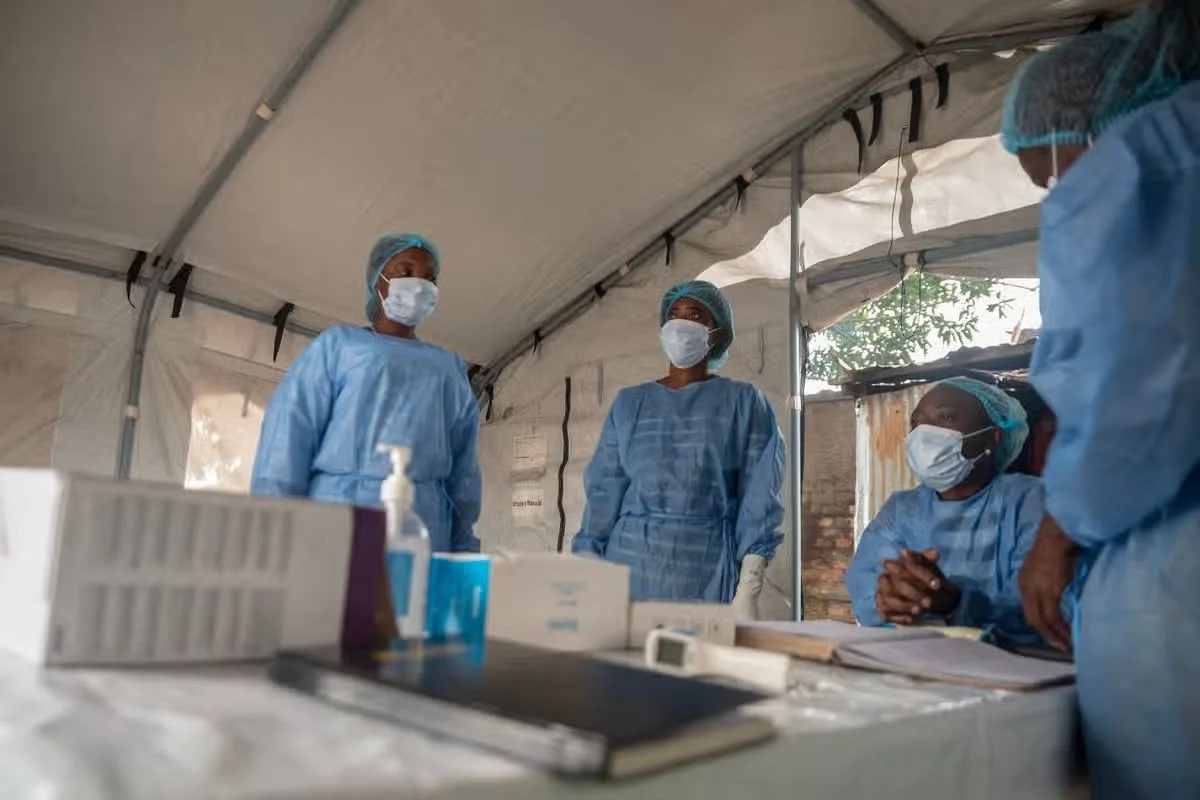
According to him, doctors insisted on admitting him and placing him in quarantine after conducting additional tests.
He said the medical team initially recommended seven days of hospitalisation but later reduced the period to four days after assessing his condition.
The activist also expressed concern about the malaria burden in Nigeria, saying his experience had made him realise how many people could be dying from severe infections without receiving appropriate medical care.
He urged Nigerians to take malaria seriously, avoid self-medication and seek professional medical attention rather than assume every infection is an ordinary case.
VeryDarkMan further called on the Federal Government to strengthen malaria awareness campaigns and prevention measures, particularly mosquito control programmes.
He also highlighted the vulnerability of rural residents who may have limited access to healthcare facilities, warning that delayed diagnosis and treatment could expose them to serious complications.
Malaria is caused by parasites transmitted through the bites of infected female Anopheles mosquitoes. Severe malaria can result in organ failure and other life-threatening complications if not treated promptly.
Nigeria continues to carry a significant share of the global malaria burden, making early diagnosis, effective treatment and preventive measures crucial to reducing deaths.