A nurse rescued after nearly six months in captivity has recounted the difficult conditions she and other victims endured following the February 3 terrorist attack on Woro and Nuku communities in Kaiama Local Government Area of Kwara State.
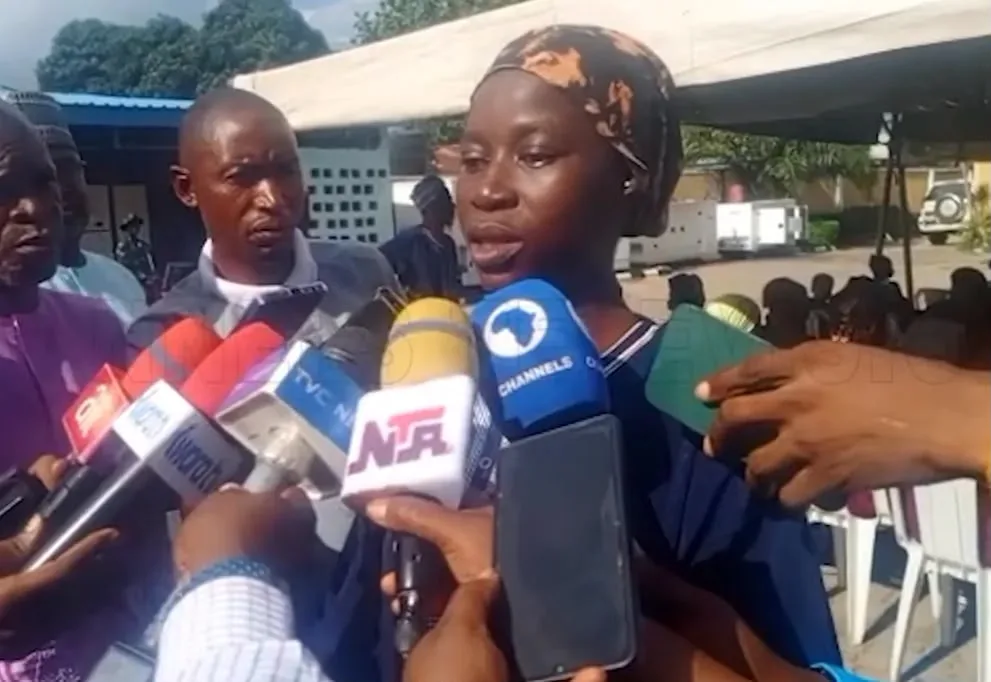
Amirah Salihu, daughter of the Chief of Woro, Umar Salihu, said she provided medical assistance to fellow captives throughout their ordeal, including helping about 10 pregnant women deliver their babies without basic medical equipment.
Salihu disclosed this during an interview on Channels Television’s Politics Today on Friday.
She said the abductees were subjected to severe food shortages and forced to sleep in exposed areas, including near a river, where they were frequently drenched by rainfall.
According to her, their meals largely consisted of guinea corn mixed with salt and seasoning, with little or no oil or other ingredients.
She said the quality and quantity of food deteriorated further during their captivity, with the captives sometimes receiving only salt with their meals.
Salihu also revealed that some of the captives were occasionally given kuka, but that the abductors eventually stopped providing it.
Describing their sleeping conditions, she said the victims were kept in an area close to a river and were often exposed to rain.
She added that they were sometimes prevented from keeping fires burning, making it difficult for them to stay warm or prepare food.
Despite the harsh circumstances, Salihu said she continued to assist pregnant women whenever they went into labour.
She explained that the abductors initially asked whether there was a nurse among the captives, but she concealed her profession because she feared being forced to remain with the group.
However, her medical background was eventually discovered, after which the terrorists reportedly wanted her to stay with them.
Salihu said she rejected the demand because of her determination to return home.
She further recounted the circumstances surrounding the attack on her community, saying the terrorists claimed they were fighting to impose their interpretation of Islamic teachings and rejected Nigeria’s democratic system.
According to her, the attackers also killed two of her brothers during the assault, allegedly because of their father’s opposition to the group’s activities in the community.
She said her father had resisted attempts by the terrorists to gain access to the community and had previously sought military protection for residents.
However, according to Salihu, the attackers returned when the soldiers were no longer present.
She said she immediately recognised the attackers as members of Boko Haram because of their appearance and manner of dressing.
Salihu also stated that she did not experience or witness any case of rape or sexual assault during the period of captivity.
She was among 176 women and children abducted when terrorists attacked Woro and neighbouring Nuku communities on February 3.
The victims were rescued on Wednesday after spending almost six months in captivity.
The Kwara State Government said 13 children died while in captivity, while 12 other abductees were still being held by their captors.
Other survivors have similarly spoken about the severe deprivation they experienced, including limited access to food and prolonged stays in the forest.
Kwara State Governor AbdulRahman AbdulRazaq received the rescued victims in Ilorin on Friday and expressed sympathy to families who lost loved ones during the ordeal.
The governor commended President Bola Tinubu and the military authorities for their roles in securing the victims’ release.
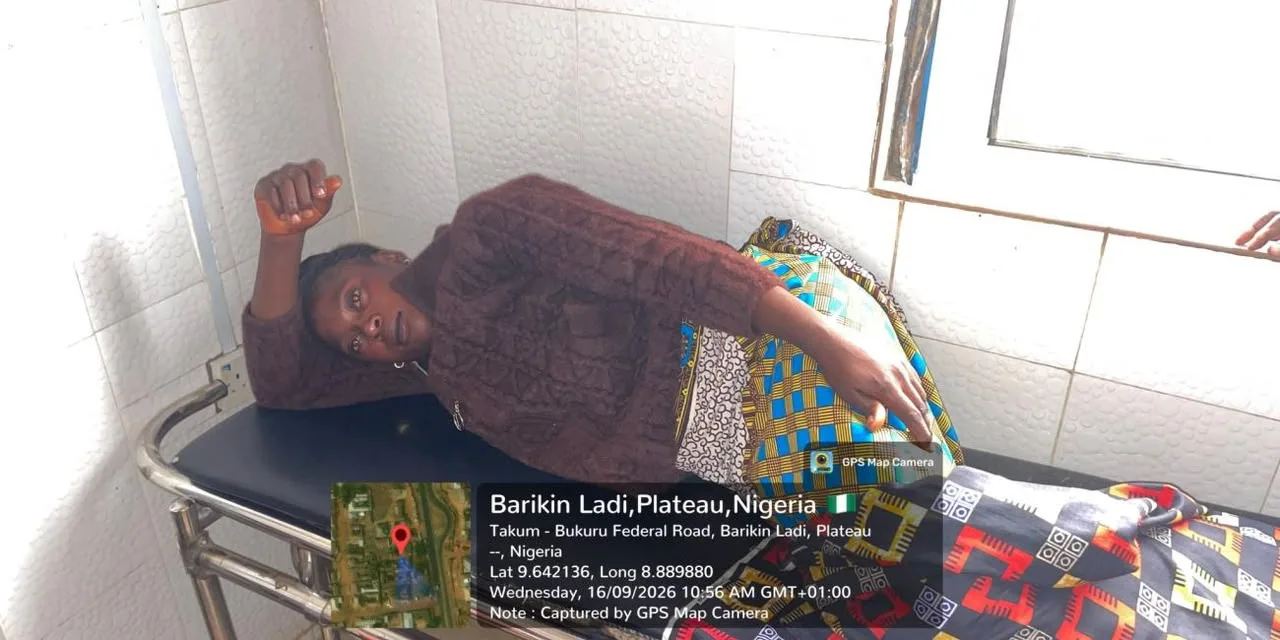
AbdulRazaq subsequently visited a general hospital where 14 rescued victims were receiving medical care, including three women who gave birth while in captivity.