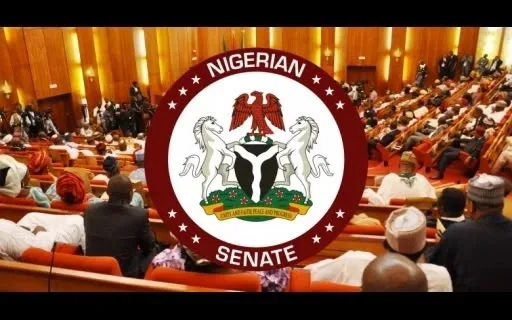
The Federal Capital Territory will remain under the control of the Nigeria Police Force despite the proposed establishment of state police across the country, the Senate has said.
The Senate explained that Abuja was left out of the proposed state police framework because the FCT does not have the constitutional structures that exist in Nigeria’s 36 states.
Chairman of the Senate Committee on Media and Publicity, Yemi Adaramodu, gave the explanation on Friday while addressing concerns over the exclusion of the nation’s capital from the proposed policing arrangement.
According to Adaramodu, the FCT is administered directly by the Federal Government and is headed by a minister rather than an elected governor.
He noted that the territory also does not have a State House of Assembly, with the National Assembly performing legislative functions for the FCT.
Adaramodu said the minister in charge of the FCT operates under the Federal Executive Council, making the territory’s administrative structure different from that of the states.
He explained that because the FCT is under direct federal administration, policing responsibilities in the territory would continue to be handled by the federal police.
The clarification comes as the Federal Government advances plans to reform Nigeria’s policing system and introduce state police as part of efforts to decentralise security operations.
President Bola Tinubu is expected to receive the draft Executive National Policing Bill on September 3, following the work of the Presidential Working Group on the proposed legislation.
The group is chaired by the President’s Chief of Staff, Femi Gbajabiamila, who recently disclosed that a public portal had been created to allow Nigerians to submit memoranda and position papers on the proposed law.
Under the proposed constitutional framework, State Houses of Assembly would have powers to legislate on the establishment, administration, funding and oversight of state police.
States are expected to provide the bulk of the funding for their police formations, while the Federal Government may provide grants or other forms of assistance.
The proposed Section 216A provides for federal grants to state police following recommendations by the National Police Council and approval by the National Assembly.
However, the provision does not set a fixed federal funding contribution or specific revenue-sharing formula.
With the FCT remaining outside the state police arrangement, the Federal Government will continue to exercise primary responsibility for policing Abuja under the existing constitutional structure.
The issue is expected to remain part of ongoing discussions as the proposed national policing reforms undergo further legislative consideration and harmonisation.