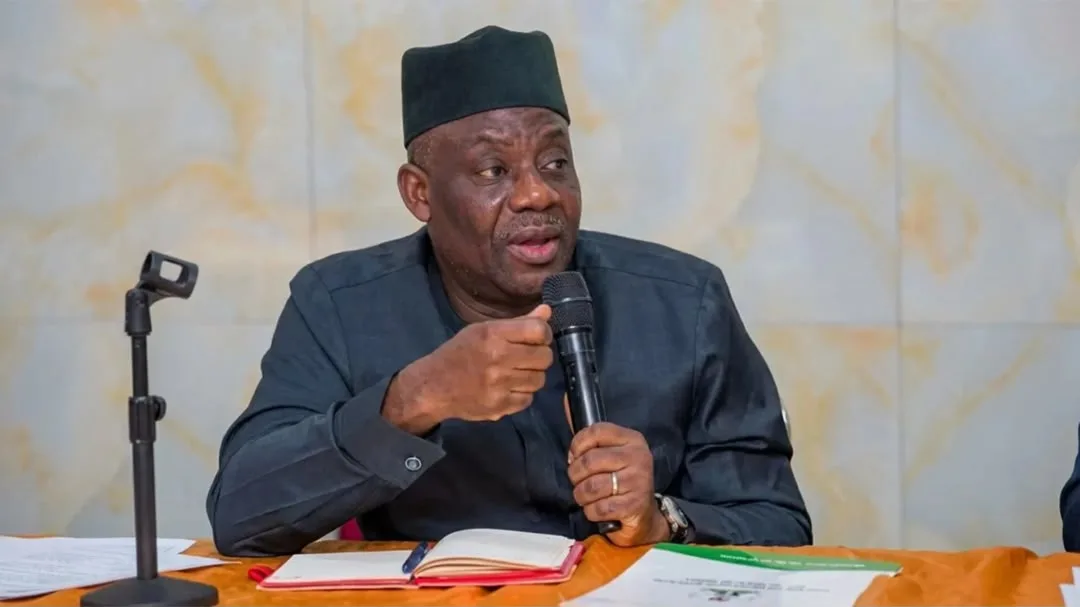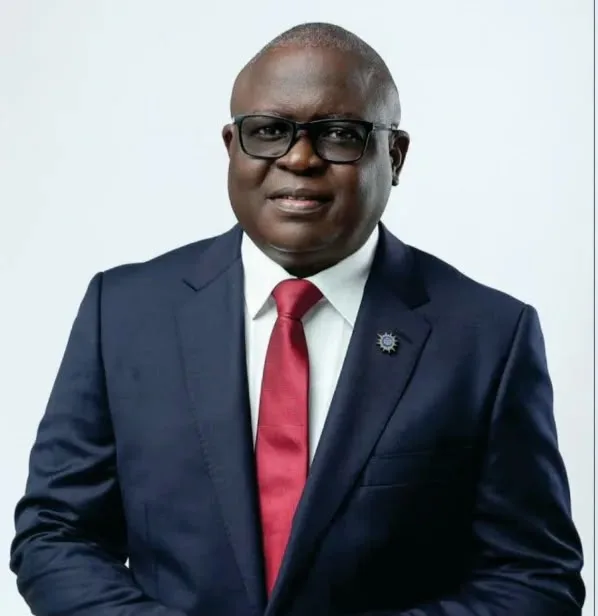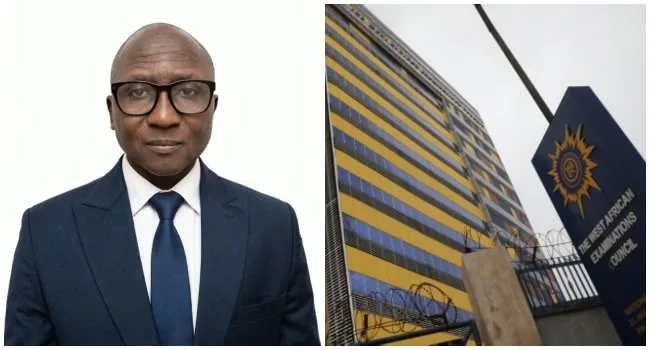
Ojoniyi, who also serves as the Acting Director of the Centre for Wole Soyinka Studies, made the allegations in a formal complaint to the university’s Vice-Chancellor through the Dean of the Faculty of Arts and the Head of the Department of Theatre Arts.
According to the lecturer, the incident occurred on July 23, 2025, after he was invited to Agoma’s office to discuss issues arising from a postgraduate seminar presentation.
He said another lecturer, Dr Olympus Ejue, was present when the disagreement began over comments Ojoniyi had made during the presentation by a postgraduate student, Richard Gbilekaa.
Ojoniyi alleged that the discussion became heated after he rejected claims that he was deliberately frustrating the student’s academic progress.
He claimed Agoma insulted him, accused him of being arrogant and proud, and subsequently ordered him to leave the office.
According to Ojoniyi, the situation escalated after he questioned the directive, arguing that the HOD’s office was a university facility.
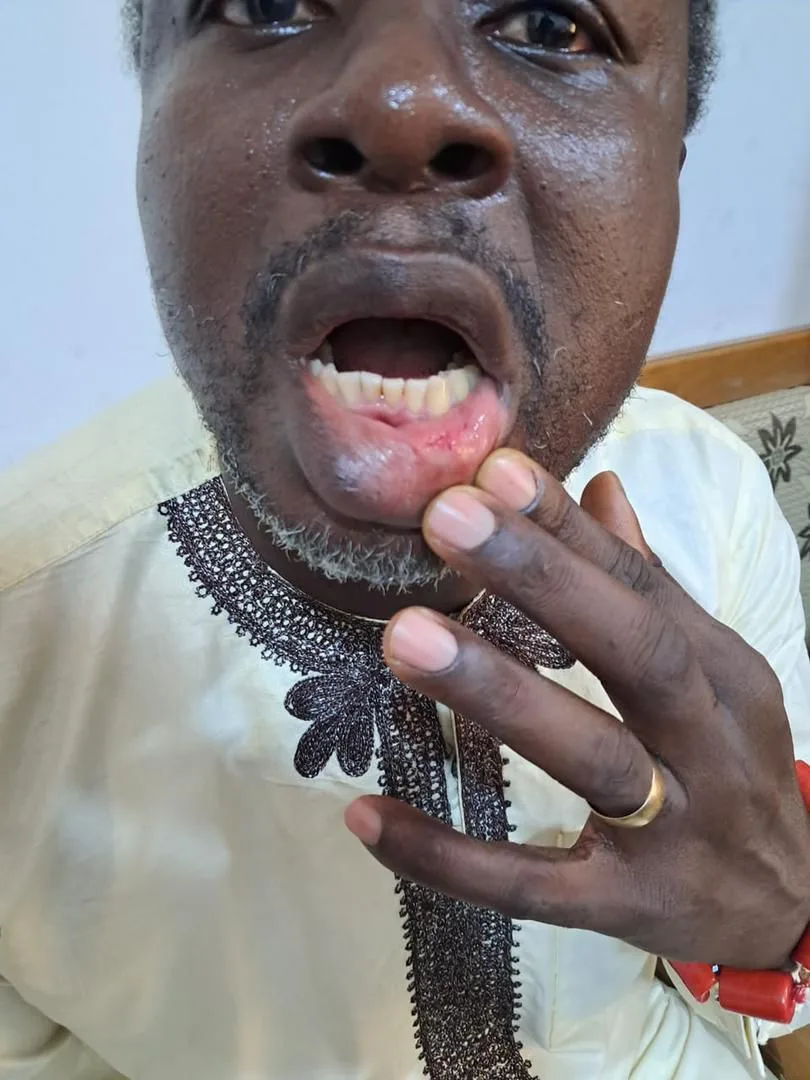
He alleged that Agoma then became physical, pushing and shoving him before headbutting and punching him repeatedly in the face.
“At that point, he rose up in furious anger, pushed and shoved me, headbutted me and began to punch me severally on the face,” Ojoniyi stated in his complaint.
He said the alleged assault left him with swollen lips, facial injuries and pain around his body.
Ojoniyi further alleged that Agoma grabbed him by the neck and pinned him against a door, making it difficult for him to breathe, while threatening to kill him.
“I hardly could breathe at that point as he squeezed and pinned my neck to the side of the door,” he stated.
He said a postgraduate student, Femi Emmanuel, intervened and helped free him.
Ojoniyi also alleged that the student was warned against disclosing what he had witnessed.
The lecturer said he later sought medical attention at the university clinic and continued to experience body pains and difficulty swallowing.
He maintained that he did not physically retaliate during the confrontation.
The lecturer linked the disagreement to an earlier dispute over the supervision and assessment of postgraduate students, particularly Gbilekaa and another student, Sunday Etim.
He claimed that he had insisted that both students properly implement corrections made to their academic work before proceeding to subsequent stages of their programmes.
According to him, his position on the matter led to disagreements with some colleagues and eventually resulted in his removal as Postgraduate Coordinator.
Ojoniyi said Agoma subsequently directed him to hand over the position, which he did.
He further alleged that tensions between them continued after he overheard conversations in which he was allegedly targeted for further disciplinary or administrative action.
In his complaint, Ojoniyi requested an investigation into the alleged assault and appealed to the university authorities for protection.
He also expressed concern that he could face further harm following what he described as threats against him.
However, months after the alleged confrontation, the university management suspended Ojoniyi.
In a letter dated April 28, 2026, and signed by the Acting Registrar, Sambo Mohammed, the university said the Vice-Chancellor had approved his suspension following consideration of an Investigation Panel’s report concerning an alleged case of “assault and battering leading to bodily injuries.”
The suspension was stated to be effective immediately and would remain in place pending the outcome of the Staff Disciplinary Committee’s proceedings.
The university also placed Ojoniyi on half salary during the suspension and directed him not to travel outside Abuja without the Vice-Chancellor’s approval.
He was further instructed to hand over any university property in his possession before commencing the suspension.
In a response dated April 30, 2026, Ojoniyi rejected the basis of the suspension, insisting that he was not the person who had been accused of assault.
He argued that no complaint had been made against him alleging that he assaulted or battered anyone.
Instead, he maintained that he was the person who reported the alleged assault against Agoma following the July 23, 2025 incident.
Ojoniyi also said he had not appeared before the university’s Staff Disciplinary Committee and urged the institution to ensure that due process and justice were followed.
The available documents do not disclose the final outcome of the investigation into the original complaint against Agoma or the university’s detailed findings regarding the circumstances that resulted in Ojoniyi’s suspension.
The development has sparked concerns over the management of academic disagreements, staff disciplinary procedures and allegations of physical violence within the university.