Global News
TUPAC SHAKUR MURDER TRIAL OPENS IN LAS VEGAS AFTER NEARLY 30 YEARS
Nearly 30 years after rapper Tupac Shakur was killed in a Las Vegas drive-by shooting, the man accused
By Fatima Abdullahi · August 10, 2026 2:32 PM · 5 min read · 167 views
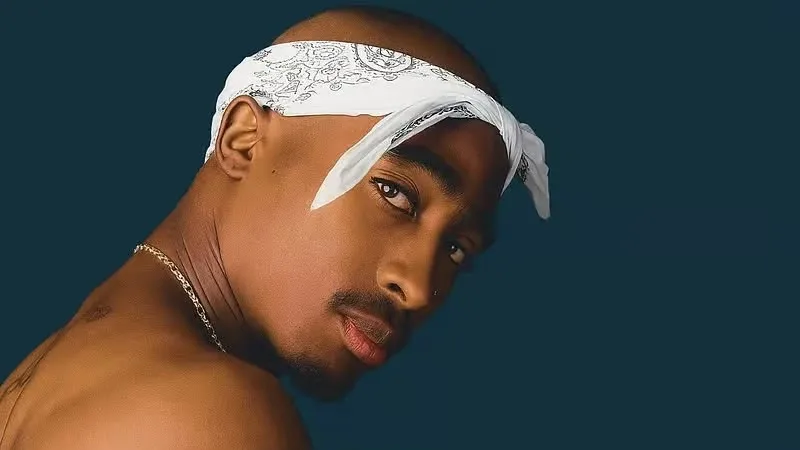
Nearly 30 years after rapper Tupac Shakur was killed in a Las Vegas drive-by shooting, the man accused of orchestrating the murder is set to face trial.
Duane “Keffe D” Davis, a former leader of the South Side Compton Crips, will appear before a Las Vegas court on Monday, with prosecutors expected to argue that he arranged the attack and supplied the firearm used in the 1996 killing.
The trial is projected to run for about a month and could become one of the most closely watched proceedings linked to one of America’s most famous unsolved murders.
Shakur, popularly known as 2Pac, was shot on September 7, 1996, shortly after attending a Mike Tyson boxing match at the MGM Grand in Las Vegas. He was travelling in a car with Death Row Records boss Marion “Suge” Knight when another vehicle pulled alongside them and gunfire erupted.
Shakur, who was 25, died several days later from his injuries.
Prosecutors are not necessarily expected to establish who physically pulled the trigger. Instead, they will seek to convince jurors that Davis played a central role in planning the attack.
The case is closely tied to the bitter rivalry between the East Coast and West Coast factions of the American hip-hop industry during the 1990s.
Shakur had become one of rap’s biggest stars after joining Los Angeles-based Death Row Records, known for songs including “California Love” and “All Eyez on Me.” His career was also marked by the highly publicised feud between Death Row and New York-based Bad Boy Records.
The tension intensified on the night of the shooting.
Following the Tyson fight, Shakur and Knight were involved in a confrontation with Orlando “Baby Lane” Anderson, Davis’s nephew and a member of the South Side Compton Crips. The confrontation was reportedly linked to an earlier dispute involving a Death Row associate.
According to prosecutors, the incident prompted Davis and his associates to seek revenge.
Authorities allege that later that night, a white Cadillac carrying Davis, Anderson and other men approached the vehicle carrying Shakur. Gunshots were fired from the Cadillac, leaving the rapper critically wounded.
For years, the investigation produced little progress and the case remained unresolved.
That changed after Davis published a memoir in 2019 in which he described his involvement in the events surrounding Shakur’s death. He acknowledged being in the front passenger seat of the Cadillac and said he passed a handgun to people sitting behind him, although he did not identify the person who fired the shots.
The other people believed to have been inside the vehicle have since died.
Davis was arrested in September 2023 and subsequently charged with Shakur’s murder. If convicted, he could receive life imprisonment without the possibility of parole.
He has pleaded not guilty and has since rejected the prosecution’s account of events.
In a 2025 interview with ABC News, Davis insisted that he was innocent and disputed claims that he was even in Las Vegas when Shakur was shot.
He also claimed he never personally wrote the memoir, saying his co-author had expanded on information he provided and conducted additional research before producing the book.
Davis’s defence lawyers attempted to prevent prosecutors from using the memoir as evidence, as well as statements he reportedly made to police during a 2008 interview. Those efforts were unsuccessful.
Jury selection is expected to take approximately one week before the main trial begins.
Regardless of the outcome, the proceedings may not settle every question surrounding Shakur’s death.
In May, the rapper’s stepbrother, Maurice Shakur, filed a wrongful-death lawsuit, arguing that others connected to the killing have escaped accountability for decades.
The lawsuit also references a recent television documentary, “Sean Combs: The Reckoning,” which features an interview in which Davis reportedly told police that Sean “Diddy” Combs offered him $1 million to have Shakur killed.
The allegations surrounding that claim and the wider circumstances of Shakur’s death are expected to receive renewed attention as Davis’s long-awaited trial gets underway.