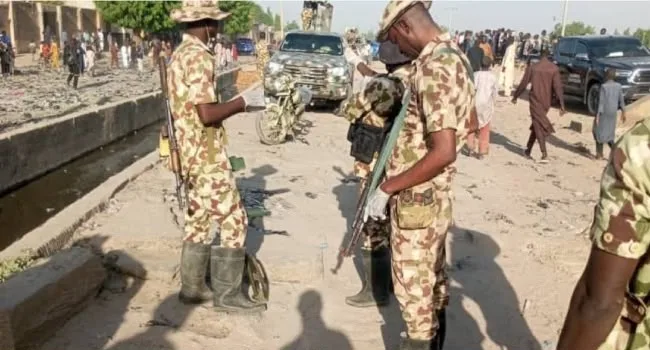
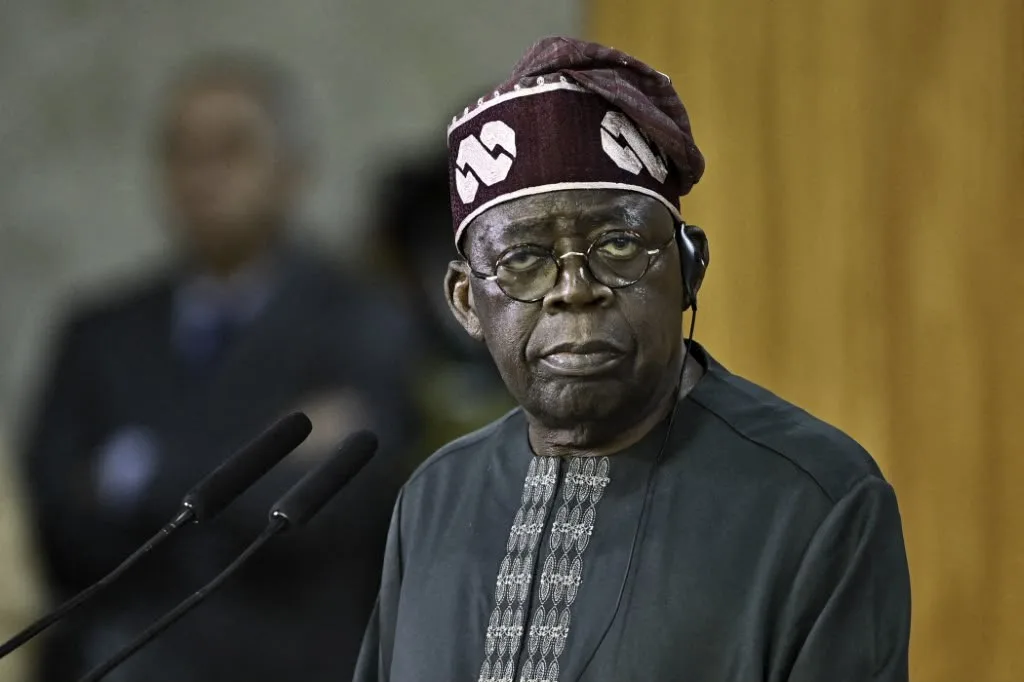
President Bola Tinubu has approved the expansion of the Nigerian Army from eight to 12 divisions as part of efforts to strengthen Nigeria’s security framework and improve the military’s operational capacity.
According to a statement issued by the Presidency, the move is part of the administration’s broader strategy to modernise the Armed Forces and enhance their ability to tackle the country’s growing security challenges.
The Presidency noted that the approval follows a series of investments in the military, including the recruitment of 28,000 additional personnel, procurement of critical military equipment, improved welfare for troops, and continued support for operational readiness and force modernisation.
It said the decision reflects President Tinubu’s commitment to ensuring the Armed Forces are adequately equipped to defend the country and respond effectively to emerging security threats.
With the new arrangement, the Nigerian Army will now operate 12 divisions spread across different parts of the country.
The divisions include: 1 Division Headquarters, Kaduna, covering Kaduna, Kano, Katsina and Jigawa states; 2 Division Headquarters, Ibadan, covering Oyo, Osun, Ekiti and Ondo states; 3 Division Headquarters, Jos, covering Plateau, Bauchi and Gombe states; 5 Division Headquarters, Makurdi, covering Benue, Nasarawa and Kogi states; 6 Division Headquarters, Port Harcourt, covering Rivers, Akwa Ibom and Cross River states; and 7 Division Headquarters, Maiduguri, covering Borno and Yobe states.
Others are 8 Division Headquarters, Sokoto, covering Sokoto, Kebbi and Zamfara states; 9 Division Headquarters, Ilorin, covering Kwara and Niger states; 10 Division Headquarters, Jalingo, covering Taraba and Adamawa states; 81 Division Headquarters, Lagos, covering Lagos and Ogun states; 82 Division Headquarters, Enugu, covering Enugu, Anambra, Abia, Ebonyi and Imo states; and 83 Division Headquarters, Benin City, covering Edo, Delta and Bayelsa states.
“The establishment of the new Divisions in Makurdi, Ilorin, Jalingo and Benin City will significantly improve command and control, decentralise operational decision-making, strengthen border security, enhance the protection of critical national infrastructure, improve counter-insurgency and internal security operations, and ensure faster military response to emerging threats nationwide,” the statement signed by Tinubu’s media aide, Bayo Onanuga, partly read.
The Presidency disclosed that the implementation of the new military structure will be carried out in two phases. The first phase, which includes the establishment of the 5, 9 and 10 Divisions and the reorganisation of existing formations, is expected to be completed by September 2026.
The second phase, involving the creation of the 83 Division and further restructuring of the Army, is scheduled for completion by December 2026.
President Tinubu also praised the Chief of Army Staff, Lieutenant General Waidi Shuaibu, as well as officers and soldiers of the Nigerian Army, for their dedication and professionalism in safeguarding Nigeria’s sovereignty and territorial integrity.
He reaffirmed his administration’s commitment to sustained investment in the Armed Forces to ensure they remain well-equipped, motivated and fully prepared to protect the nation and its citizens.