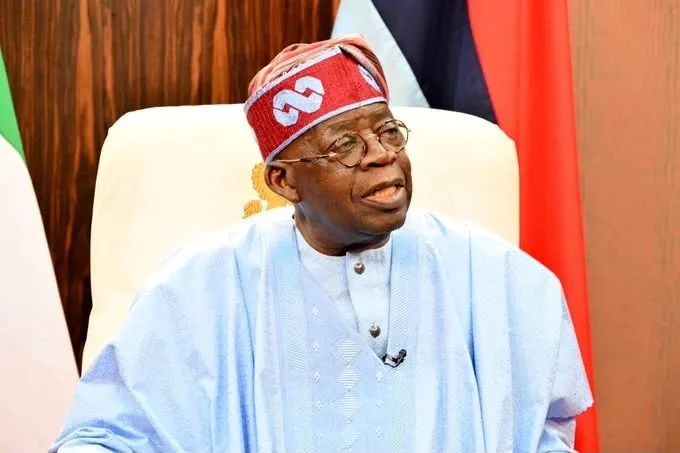

The decision was reached by the leadership of the Senate and the House of Representatives following renewed concerns over reports of xenophobic attacks targeting Nigerians and other African nationals in South Africa.
In a statement signed by the Clerk to the National Assembly, Kamoru Ogunlana, the lawmakers expressed concern over reports of Nigerians being killed, injured, displaced and forced to abandon their businesses, homes, investments and other properties as a result of recurring attacks.
The National Assembly said repeated appeals by the Nigerian government and other stakeholders to South African authorities to protect Nigerians and other foreign nationals had not sufficiently addressed the situation.
It acknowledged ongoing efforts by the Federal Government to assist affected Nigerians and facilitate the evacuation of citizens who wish to return home.
Under the new resolution, lawmakers, National Assembly officials, staff and committees are barred from undertaking official visits to South Africa.
The boycott also extends to conferences, seminars, workshops, parliamentary meetings, legislative exchanges and other programmes organised or hosted by South African legislative authorities.
The restriction applies to both physical attendance and participation through virtual or online platforms.
The Clerk of the National Assembly has consequently been directed to communicate the decision to senators, members of the House of Representatives, committees, departments, directorates and other relevant personnel to ensure compliance.
According to the leadership, the suspension will remain in effect until further notice and may be reviewed depending on developments surrounding the safety and welfare of Nigerians in South Africa.
The move comes amid renewed concerns over xenophobic attacks in South Africa and follows several measures already taken by the Nigerian government to protect its citizens.
Nigeria commenced the evacuation of Nigerians from South Africa in June following renewed attacks, with the first batch of 258 returnees arriving in Lagos on June 11. By July 9, the number of evacuated Nigerians had reportedly risen to about 1,000.
Further evacuation exercises were carried out in August, with 83 Nigerians returning to the country in one batch and another 67 arriving a week later.
The returnees were received by relevant government agencies for documentation, profiling and reunification with their families.
Nigeria has also intensified diplomatic pressure on South Africa to take stronger action against perpetrators of xenophobic violence.
President Bola Tinubu raised the issue at the African Union, urging collective action against xenophobic and Afrophobic attacks and calling for the matter to be included on the agenda of the AU’s 40th Ordinary Session scheduled for January 2027.
Vice President Kashim Shettima has also condemned the mistreatment of Nigerians and other African nationals in South Africa while maintaining that Nigeria remains committed to dialogue and peaceful diplomatic engagement.
The National Assembly stressed that its decision was not aimed at undermining the longstanding diplomatic, historical and people-to-people ties between Nigeria and South Africa.
Instead, it described the suspension as a firm response to concerns over the safety, dignity and welfare of Nigerians living and doing legitimate business in South Africa.
The lawmakers called on the South African government to urgently strengthen the protection of Nigerians and other African nationals, investigate reported attacks, apprehend suspected perpetrators and ensure that those found culpable are prosecuted in accordance with the law.
The National Assembly also urged state Houses of Assembly to take note of the resolution, while reaffirming its commitment to protecting Nigerians and monitoring developments affecting the safety and welfare of citizens abroad.