Iran has strongly rejected US President Donald Trump’s reported plan to declare the strategic Strait of Hormuz part of United States territory, insisting that Washington cannot take control of the vital waterway through military strength, presidential directives or political statements.
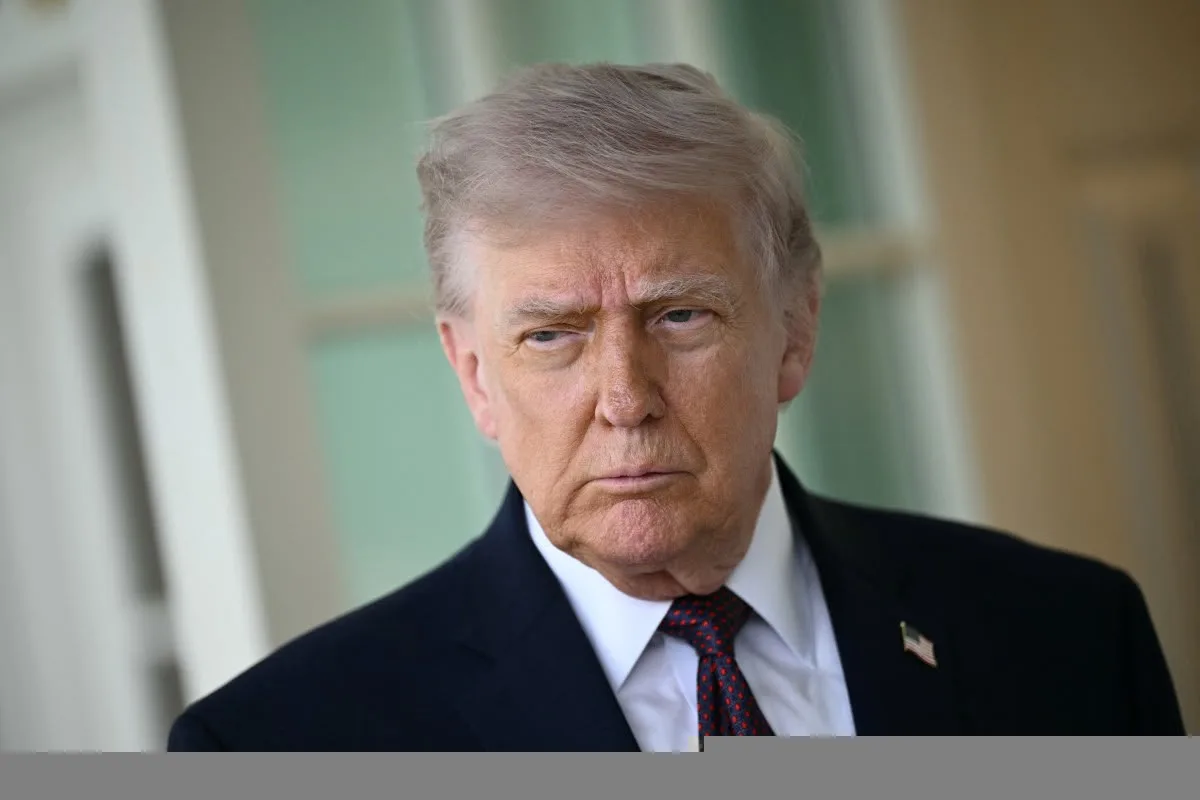
Iranian Deputy Foreign Minister for Legal and International Affairs, Kazem Gharibabadi, made the position known after Trump said he would soon announce the unprecedented move.
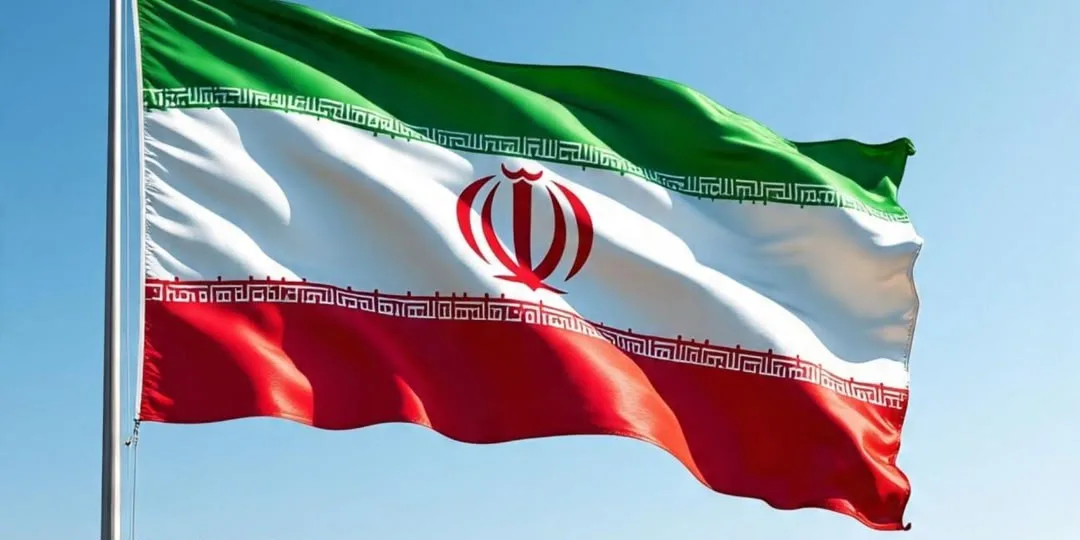
In a statement posted on X, Gharibabadi maintained that the waterway belongs to Iran and would remain under Iranian control.
“The Strait of Hormuz has been Iranian, is Iranian, and will remain Iranian,” he said.
He argued that control of the strait could not be established through social media posts, military deployments, executive orders or campaign speeches.
“Iran neither fears threats nor is intimidated by shows of power,” Gharibabadi added, calling on Washington to recognise what he described as the reality surrounding the strategic waterway.
The Iranian official further warned that Tehran would determine when the strait would be opened or closed, saying the country would maintain its blockade until the United States accepted what Iran considers its strategic setbacks.
Trump had announced his intention during a speech in Garden City, New York, on Friday.
“Pretty soon I will be declaring the Strait of Hormuz a territory of the US,” the US president said.
The development is likely to deepen tensions between Washington and Tehran over the waterway, which serves as a major route for the transportation of global oil and liquefied natural gas supplies.
Meanwhile, Iranian Foreign Minister Abbas Araghchi said Tehran had yet to decide whether to resume direct negotiations with the United States.
According to Tasnim, Araghchi explained that Qatar and Pakistan were currently only facilitating communication between the two countries and that their involvement should not be viewed as a sign that formal talks had restarted.
The minister also disputed the description of the Islamabad Memorandum of Understanding as a ceasefire that would require an extension. He said the agreement had instead provided for an “end of the war.”
Araghchi said the 60-day period contained in the arrangement was designed to create room for discussions towards a lasting agreement. However, he accused the United States of violating the understanding, after which hostilities resumed.
Despite the diplomatic tensions, Araghchi disclosed that Iran was holding separate technical discussions with Oman on maritime navigation and the movement of vessels through the Strait of Hormuz.
He explained that previously used maritime routes were no longer operational and that Tehran was working with Oman on a temporary alternative that could later become permanent.
However, he stressed that establishing a new route would not automatically lead to the reopening of the strait, as other conditions set by Iran would first have to be met.
The Strait of Hormuz lies between Iran and Oman and provides a crucial maritime connection between the Persian Gulf, the Gulf of Oman and the Arabian Sea.
Its importance to global energy supplies has made the waterway a longstanding flashpoint between Iran, the United States and other countries in the region.
Trump’s proposed declaration could further escalate the confrontation, particularly as Tehran continues to assert its authority over shipping activities through the strait.
With both Washington and Tehran maintaining opposing positions, the future accessibility and control of the Strait of Hormuz remain at the heart of growing tensions between the two countries.